


Toxic links are alive and well in 2026, however, it’s not just Google being targeted. This year, we’ve seen a HUGE increase in toxic link spam that specifically targets backlink indexes like Majestic. This link spam corrupts reports, using URLs, page titles and anchor texts to insert row after row of ads for link building services.
We call this Ref Domain Spam, because it relies on massive networks of low-quality interlinked sites that filter through to your results as Referring Domains. This means that even backlink reports showing just one backlink-per-domain are filled with link spam.
We recognise many of you find this spam annoying and have taken steps to reduce the resulting noise in your reports. We’ve acted on your feedback with the aim of suppressing this unwanted data.
A caveat: the primary target of the algorithm change is the spam network. However, the web is an interlinked network, and the line between this attack and a background of huge volume directory sites isn’t as clearly defined as we may like. The combination of these actions has had an impact on Ref Domain counts.
2026 Site Explorer Toxic Spam Attack (#SETSA26)
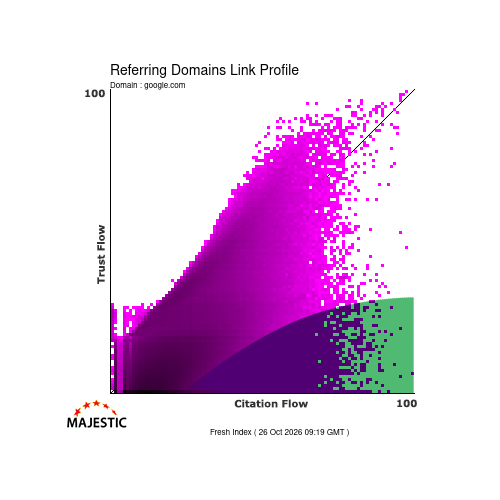
Web spam is nothing new. For any significant site on the web, its Link Profile Graph will contain a large blob in the lower right quarter. This region consists of low Trust Flow, high Citation Flow referring sites. Internally, we refer to this area of the Link Profile graph as the “wall of spam.”
There are a variety of techniques spam sites employ, but a particularly notable one is the PBN – Private Blog Network. PBNs use a number of sites with a high level of hypertext interlinking in order to boost link equity.
It was this style of setup that has contributed to this most recent episode of concern.
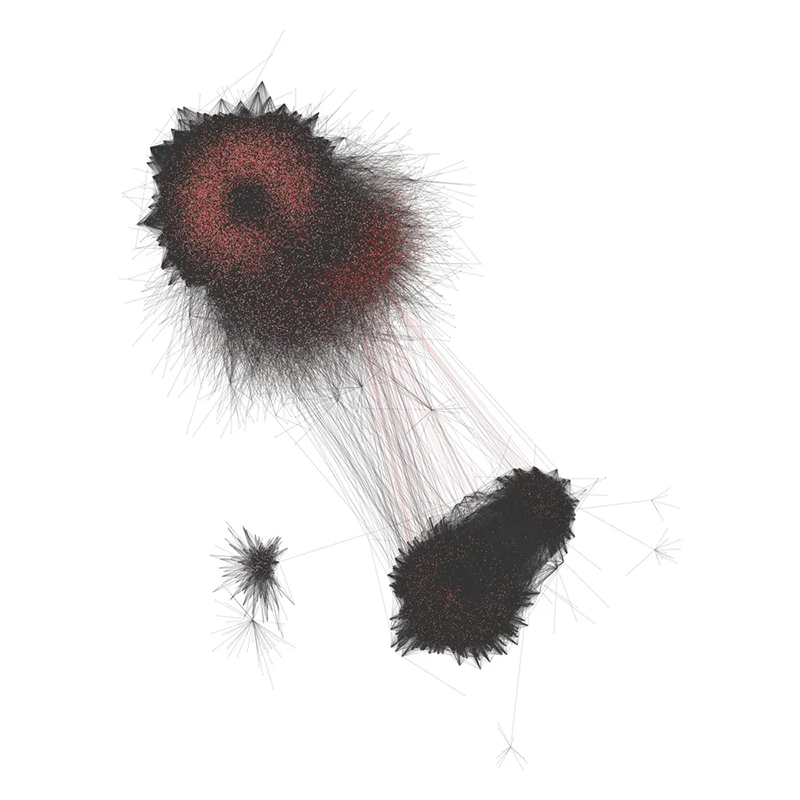
PBNs have been a feature of the web for some years. So why are we calling this recent event an attack?
The difference between traditional PBNs and #SETSA26 “Wall of Spam” is the target. Typically, PBNs are set up in an attempt to boost a website’s position in search engine rankings. In #SETSA26, a target appears to be backlink indexes like ours.
In this wave, over 10,000 sites appear to have been deployed in an attempt to insert adverts for link building services directly into backlink indexes. These links were typically cloaked from everyday users, invisible in search engines, but highly disruptive to users of Site Explorer tools. Backlink reports across a number of platforms have been filled with low grade spam, disrupting peoples’ ability to perform meaningful backlink analysis and prospecting.
Needless to say, this attack irritated a number of our customers. Given the level of disruption, we are grateful for the constructive and courteous nature of the feedback on this issue.
Corrective Action
We have acted, and performed corrective action on a number of the sites associated with this attack. The primary aim has been to reduce the level of noise in Site Explorer reports.
We monitored rollout, and immediately noticed Trust Flow variations in a number of seed sites. This is due to a small number of compromised Trust Flow seed sites being used to promote the prominence of the #SETSA26 network.
Additional Work: Recalibrating Ultra-High Volume Directory Sites
The primary target of the algorithm change was this spam network. However, during investigation, it became clear that a logical next step was to recalibrate the handling of ultra-high volume directory sites that far exceed normal linking patterns.
These sites may not specifically target backlink indexes, but they do have a negative impact. This goes beyond directories, to sites that operate on such a scale that they have become significant outliers in the backlink index. To give some context to the nature of these sites, many operate from new GLTDs that offer extremely cheap first year hosting.
These sites do not show any hallmarks of high-quality human-curated content.
Whatever you call them, spam or megalo-directories, or something else, these domains add little to the internet other than add unbearable noise to backlink reports and artificially inflated Ref Domain counts.
Long gone are the days when backlink index companies such as ours supported the industry by offering lists of dubious quality backlinks as input to Google’s disavow tool. We are told Google ignores them.
And now, Majestic ignores them too.
How the algorithm change impacts you.
This has been a substantial reduction in useless data. To give an idea of scale, the first wave of #SETSA26 domain removals was in the five figures. The number of domains impacted by both phases is in the hundreds of thousands, and the number of backlink URLs removed from the index is in the hundreds of billions.
Let’s start with the benefit. You should now see far less noise in your reports.
Here’s a before and after link graph of a site impacted by the link spam this algorithm change addresses.
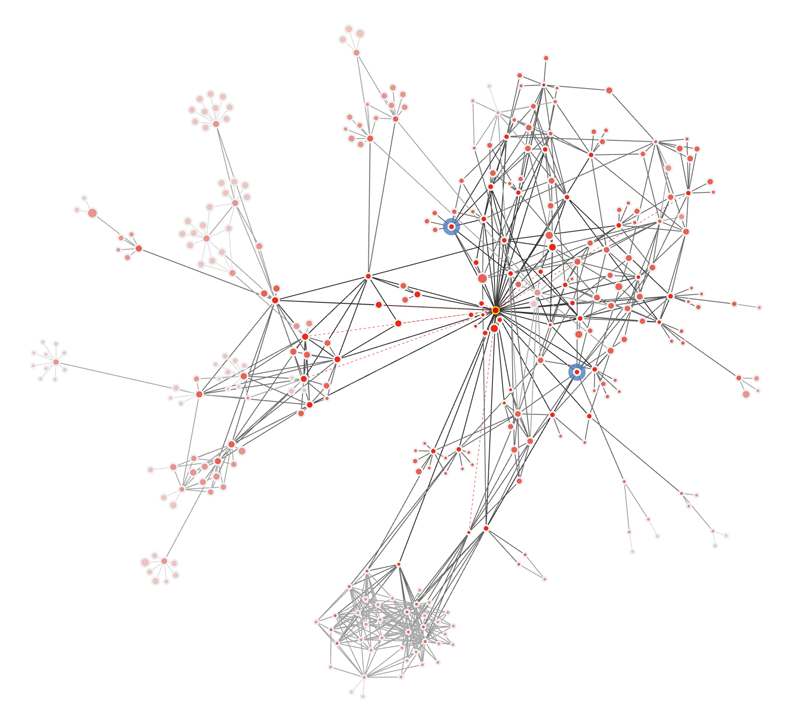
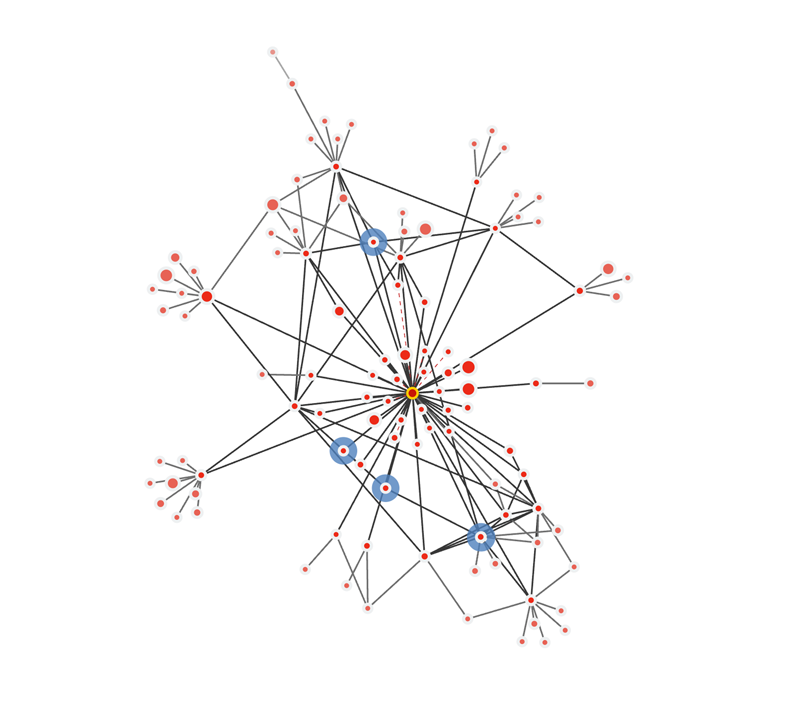
You should also see a noticeable decrease in the quantity of spam embedded in backlink reports.
Side Effects
On an index recalibration of this scale, side effects are inevitable.
This change has seen:
- A significant shift in Trust Flow. This will vary from site to site.
- A drop in Referring Domain counts for many sites due to the suppression of the #SETSA26 sites and ultra-high-volume directory sites.
Trust Flow has a number of parameters which are adjusted from time to time. As the changes to the web graph have been substantial, it follows that the Trust Flow algorithm needs regular retuning for the new reality rather than the old.
It’s important to note that the core Trust Flow mechanics remain unchanged.
Tuning impacts parameters and selection of seed sites. We’ve therefore tweaked a number of parameters to adjust for a less noisy graph. We anticipate that the most recent update will produce a stabilisation of metrics, but will continue to monitor the situation.
We hope that forthcoming adjustments will be far, far less dramatic in scale.
Further Queries?
We hope that this post explains the motivation behind recent shifts in Trust Flow and Referring Domain counts. These changes were made in response to customer feedback.
We hope that the improvement in the signal:noise ratio of data returned in Site Explorer reports helps you get the most out of your Majestic subscription.
We are sorry for the disruption to Trust Flow and drop in Ref Domains. Unfortunately, the scale of this attack somewhat forced our hand.
If you still have questions, our support team are waiting to help. Please do drop the team a note using the support system with any queries you may have. You can also comment below.

- Fighting Ref Domain Spam - October 26, 2026
- Are you using AI the WRONG way in SEO? - September 23, 2026
- The State of AI in SEO (Part 3) - August 24, 2026